Premier Career-Related Immigration Attorney: Your Roadmap to Tackling Immigration Steps
Maneuvering through the complexities of employment-based immigration requires expert counsel. The correct attorney can profoundly impact the outcomes of travel authorization filings. With several travel authorization types and ever-changing rules, understanding the landscape is necessary. Both employers and staff face frequent difficulties that could prevent their targets. Which factors should applicants consider when selecting an immigration attorney? Dissecting these elements will reveal a clearer course through the travel authorization submission process.
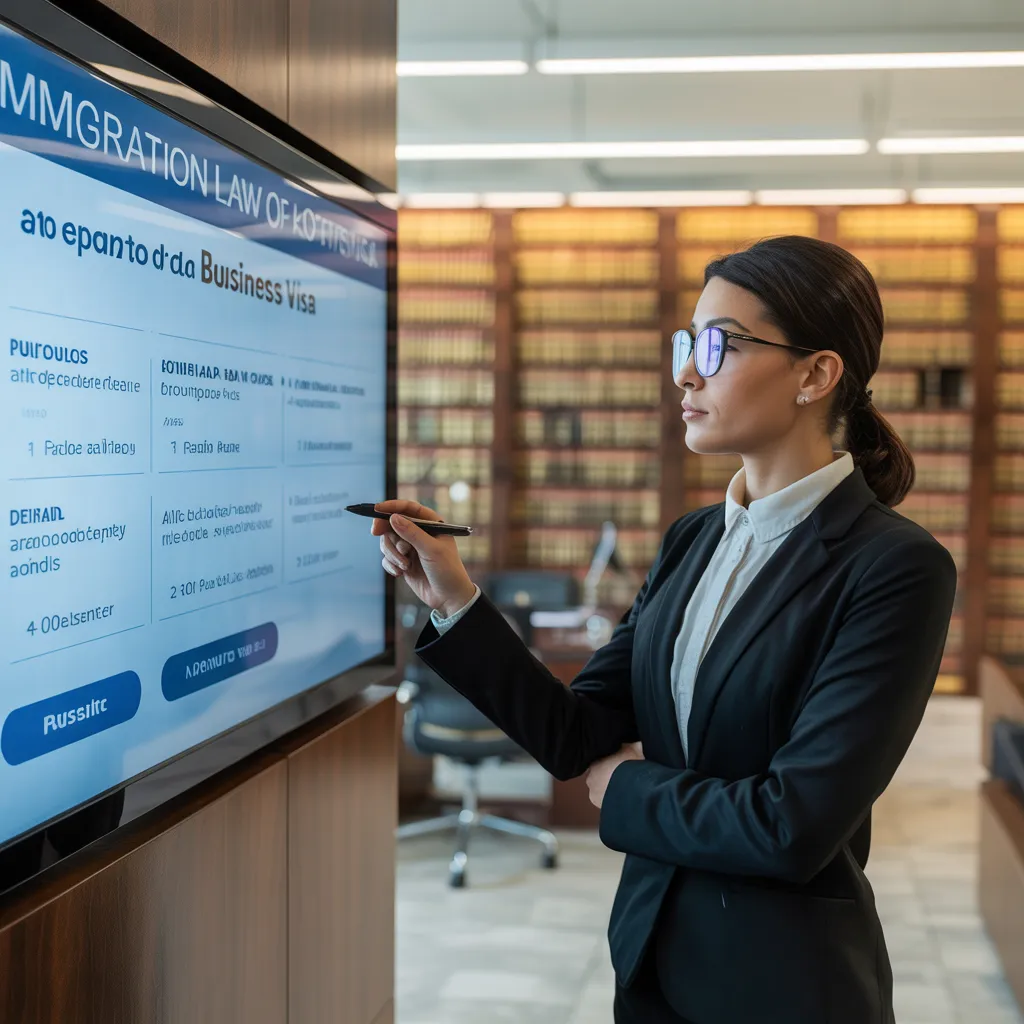
Key Categories for Work-Related Immigration
When evaluating employment-based immigration, learning the various types is crucial for both employers and prospective employees. Several significant categories facilitate this process, each tailored to specific circumstances. The H-1B is one of the most recognized, enabling U.S. companies to employ foreign workers in specialty occupations that require theoretical or technical expertise. The L-1 enables intra-company transferees to work in the U.S., ideal for multinational companies. Another important category is the O-1 , which is designated for individuals with extraordinary ability or achievement in their field. Additionally, the EB-2 and EB-3 present pathways for skilled workers and professionals seeking permanent residency based on employment. Comprehending these types helps both parties navigate the complexities of employment-based immigration effectively, confirming compliance with legal requirements and enhancing the hiring process.
Common Difficulties in Work Immigration and Solutions
Managing the complexities of work sponsorship creates multiple common obstacles that can obstruct both employers and employees. One major challenge is the perpetually shifting immigration rules, which can cause doubt and perplexity. Companies may find it difficult to stay current with these updates, leading to probable compliance concerns. Moreover, lengthy wait periods for work permits can delay recruitment, affecting corporate activities.
A supplementary obstacle presents itself in the documentation requirements. Applicants often experience difficulties assembling the necessary documents, which can lead to deficient applications and later rejections. In addition, a lack of clear dialogue between companies and employees can intensify misunderstandings about the immigration process.
To mitigate these obstacles, businesses can invest in professional development for HR personnel on immigration matters and establish clear communication pathways. Obtaining expert counsel from skilled immigration lawyers can further streamline the process, making sure that both participants navigate the complications productively and successfully achieve their immigration goals.
Finding the Right Immigration Lawyer for You
How can someone ensure they find the right immigration attorney to work through the complexities of employment-based immigration? First, potential clients should review the attorney's experience and specialization in employment-based cases. A qualified attorney will demonstrate a comprehensive understanding of immigration laws and procedures relevant to employment .
Furthermore, requesting recommendations from trusted sources can furnish important details into an attorney's reputation and effectiveness. Internet feedback and endorsements can also help measure client satisfaction.
Additionally, it is vital to organize sessions to examine communication styles and total compatibility. A reputable counsel should be approachable, prompt, and equipped to elucidate intricate legal topics clearly.
To wrap up, individuals ought to discuss pricing arrangements from the start to avert unexpected costs. By considering these factors, individuals can confidently select an immigration attorney who satisfies their specific needs and facilitates a easier immigration process.
The Travel Permit Registration Workflow: Expectations
What steps should one expect during the application procedure? Initially, candidates must identify the suitable category based on their employment situation. After determining the proper type, they should gather required documents such as employment offers, academic credentials, and any required approvals from employers.
Subsequently, individuals will need to complete the application document, which regularly features extensive personal and professional information. Once the form is submitted, individuals ordinarily pay the relevant costs. Following this, sessions could possibly be scheduled, where individuals can expect to address inquiries pertaining to their credentials and aspirations in the host country.
Following the interview, applicants await a decision, which may range from approval to rejection. Maintaining clear communication with an immigration lawyer during this process helps navigate any complexities that occur. Comprehending these procedures can streamline the application journey, boosting the chance of a successful outcome.
Authentic Real Examples in Job-Sponsored Immigration
Getting through the approval procedure can be intimidating, but many individuals have obtained employment-based , changing their careers. Take, for example, Maria, a software engineer from Brazil. After a long application journey, she obtained an H-1B , enabling her to work for a leading tech firm in Silicon similar article Valley. This opportunity not only advanced her career but also enriched her personal life.
In the same way, Raj, an Indian physician, surpassed many hurdles to acquire a J-1 for a medical residency in the United States. His commitment and perseverance eventually led him to secure a permanent position in a renowned hospital, realizing his dream of working in medicine in America.
These concrete success stories underscore the consequence of employment-based immigration, proving how determined individuals can steer through involved procedures and accomplish their aspirations, helping to diverse workplaces and locales across the country.

Standard Commonly Asked Questions
Which Qualifications Should I Search for When Choosing an Immigration Counsel?
When pursuing an immigration counsel, one should emphasize relevant experience, a proven record with like cases, transparent communication abilities, excellent client testimonials, and current knowledge of immigration laws and procedures. Credentials matter greatly.
What Is the average length of the Application Process?
The approval procedure often consumes several months, depending on the type and individual circumstances. Factors such as review periods, required documentation, and foreseeable backlogs can markedly influence the overall duration of the application.
What Are the Age Requirements for Career-Based Immigration Applicants?
Individuals applying for employment-based immigration commonly do not encounter specific age limits. That said, certain categories may account for age-related considerations, like qualification for certain programs or benefits, and these can differ depending on individual circumstances.
Can I file numerous Types together?
Yes, an candidate can submit various types in parallel. However, each request must fulfill specific standards and regulations. Speaking with an immigration lawyer can assist manage the complexities of filing multiple applications effectively.
What Fees Are Involved in Hiring an Immigration Attorney?
Working with an immigration attorney typically requires expenses for consultations, application preparation, and counsel. Costs can vary considerably based on the expert's track record, the complexity of the case, and regional differences, often ranging from hundreds to thousands of dollars.